The method is consistent.
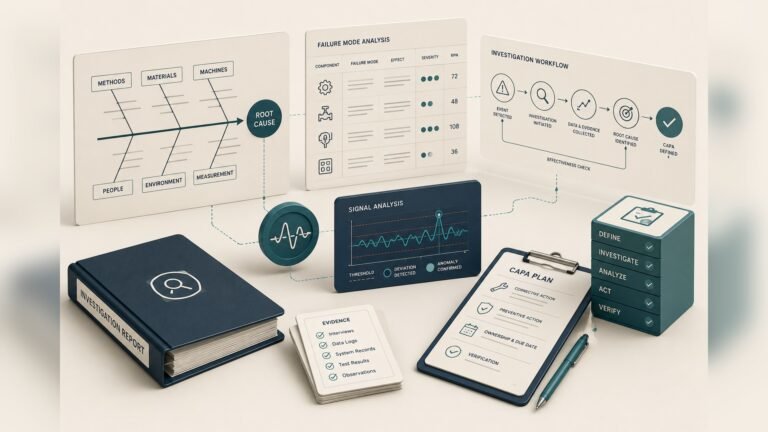
Find the signal, understand the failure modes,
design the fit, build it with the people who will run it
— with resilience designed in.
Listen to the data, the operators, and the gap between what the system says it does and what it actually does.
Study how the system behaves under load — where it bends, where it breaks, and what fails first when conditions shift.
Build solutions around the organization’s actual constraints, signals, and decision points — not something borrowed from a generic template.
Work with the people who will run the system, so the framework can last beyond the engagement.
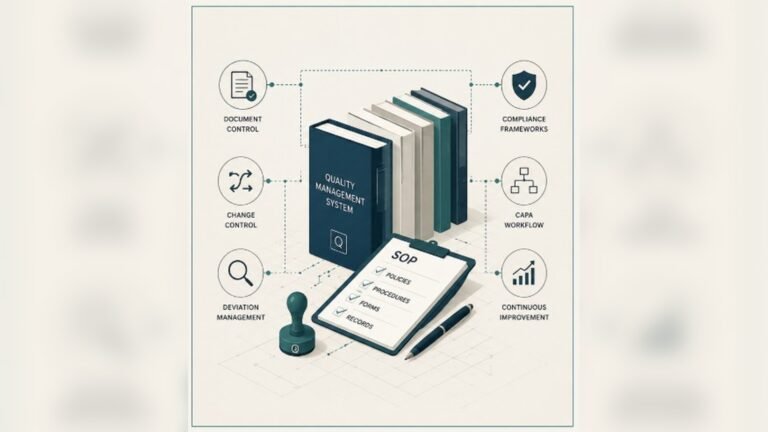
QMS architecture, CAPA, change control, deviation management. Built with operators, aligned with regulators, designed to scale.
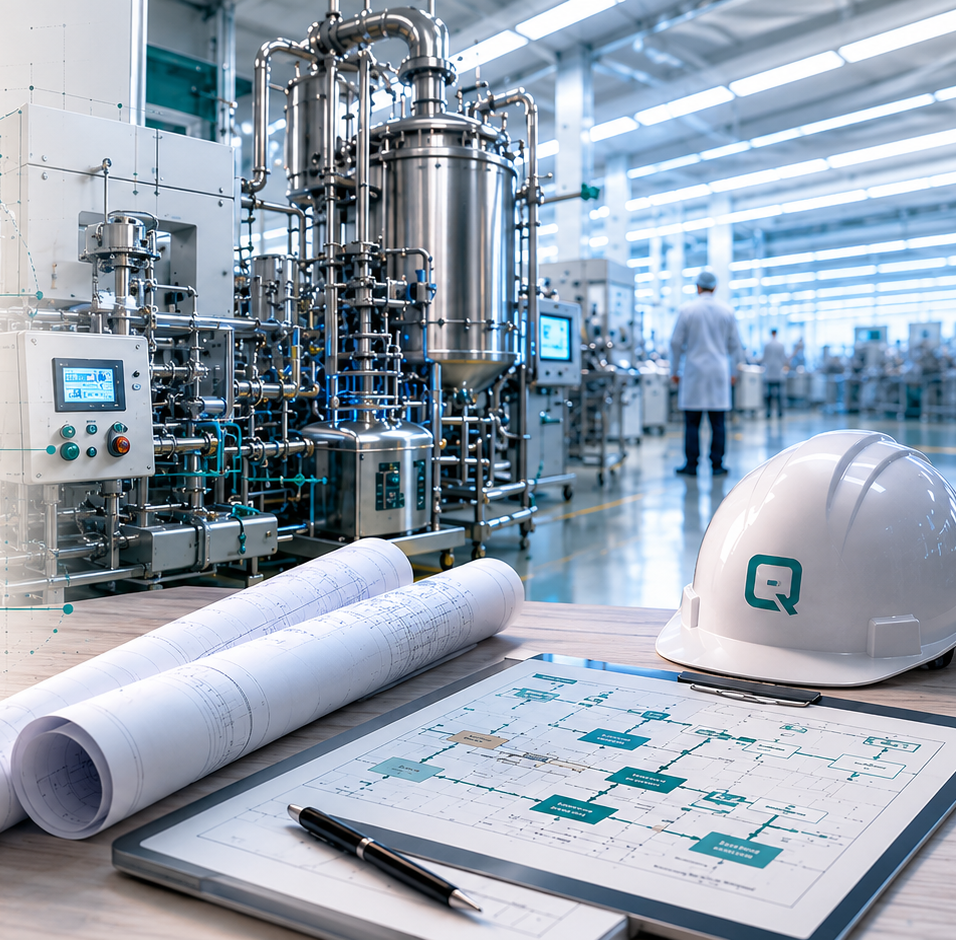
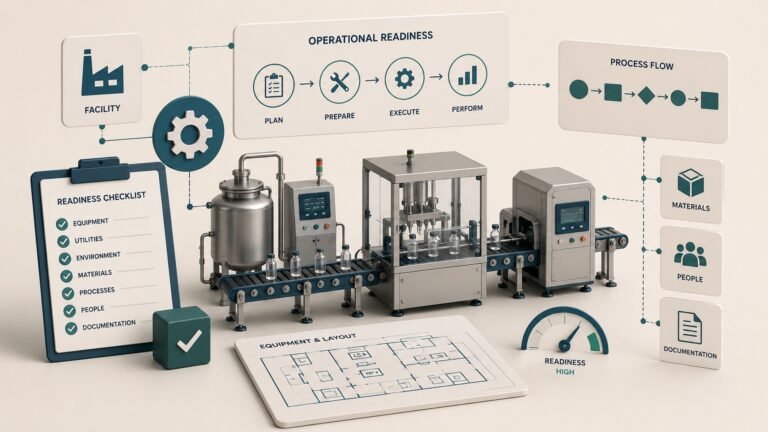
Reliability, throughput, and compliance — from process flow to equipment integration to operational discipline on the floor.
Mapping failure modes across equipment, processes, and organizations. Designing systems that hold under real conditions.
Structuring how decisions are made, documented, and escalated. Aligning daily operations with leadership accountability.
Signal extraction, root-cause framing, and stakeholder alignment to fit solutions to the actual operating environment.
Platform implementation, CSV, validation-aligned integration, telemetry, and operational visibility.
Embedding systems with the teams who run them, harmonizing across sites and post-acquisition environments, and applying the same discipline to civic, infrastructure, and environmental contexts.